Bettor Interface Adjustments That Coordinate Deposit Limits With Dynamic Line Changes in Multi-League Schedules
Rafael Long · Nov 21, 2026
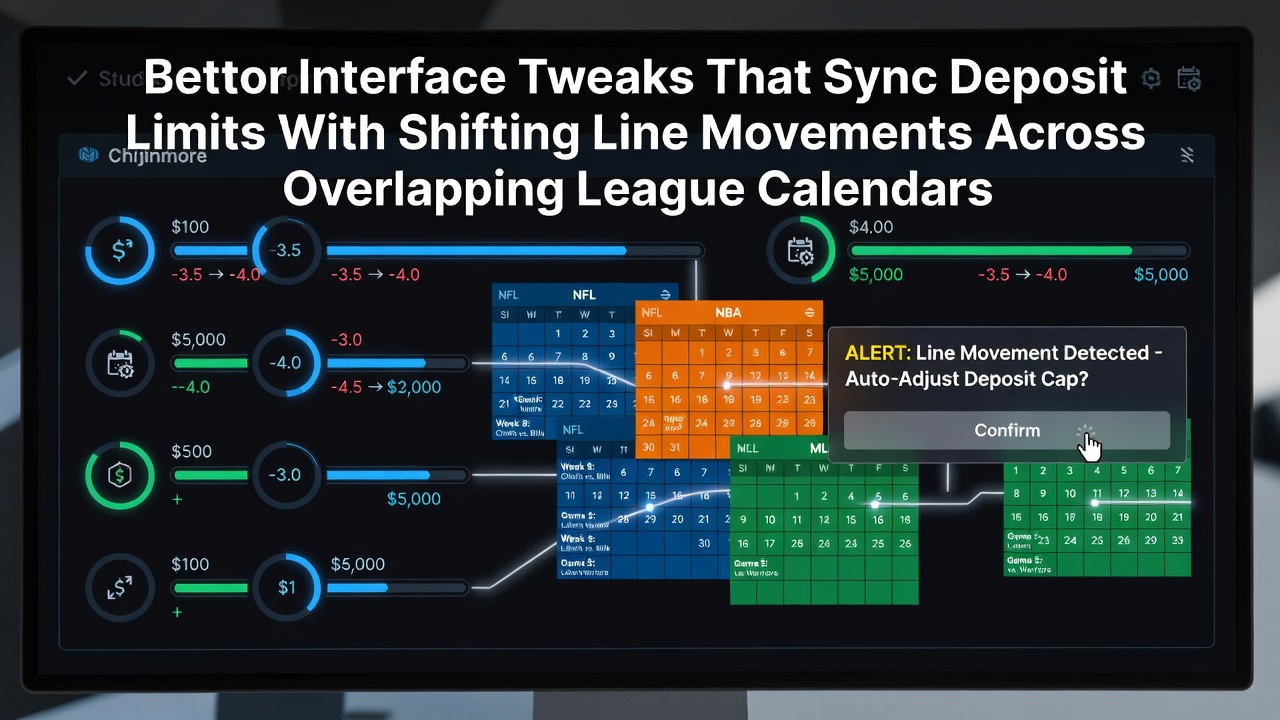
Bettor Interface Adjustments That Coordinate Deposit Limits With Dynamic Line Changes in Multi-League Schedules
Betting platforms have implemented interface modifications that connect deposit caps directly to real-time odds fluctuations, especially when multiple professional leagues maintain concurrent schedules, and these adjustments help manage exposure during high-activity windows such as November 2026 when NFL and NBA calendars overlap extensively.
Developers integrate algorithms that monitor line movements from various sports simultaneously, then recalibrate user deposit thresholds based on volatility metrics derived from injury reports, weather factors, and betting volume shifts, while the system processes data from overlapping events to prevent rapid fund inflows during unstable periods.
Mechanics of Real-Time Synchronization
Interface elements track odds changes across leagues and trigger deposit limit recalibrations within seconds of significant movement, for instance when a key NBA player update alters spread values during an active NFL slate, and users encounter updated caps that reflect aggregated risk signals from both markets rather than isolated events.
Systems pull from centralized data feeds that compile line information from professional basketball and football events running in parallel, then apply scaling factors to individual account limits according to predefined volatility thresholds, so that a sharp movement in one league influences the allowable deposit amount for the entire session.
Calendar Overlap Considerations
November periods feature dense scheduling where Sunday NFL games coincide with weekday NBA contests and Thursday night matchups, creating continuous line activity that interfaces must handle without lag, and platforms respond by layering deposit controls that account for cumulative exposure across these timelines instead of treating each league independently.
Research from the University of Nevada Reno's gaming studies division indicates that synchronized controls reduce instances of rapid deposit sequences during multi-league days by correlating user activity patterns with observed line volatility, while similar findings appear in reports issued by the Australian Institute of Family Studies on digital wagering tools.
Implementation Across Mobile Applications
App developers embed notification layers that alert users when deposit limits shift in response to line movements, presenting the change alongside the specific league events driving the adjustment, and these messages appear in dashboard views that display both current odds and the corresponding cap modifications.
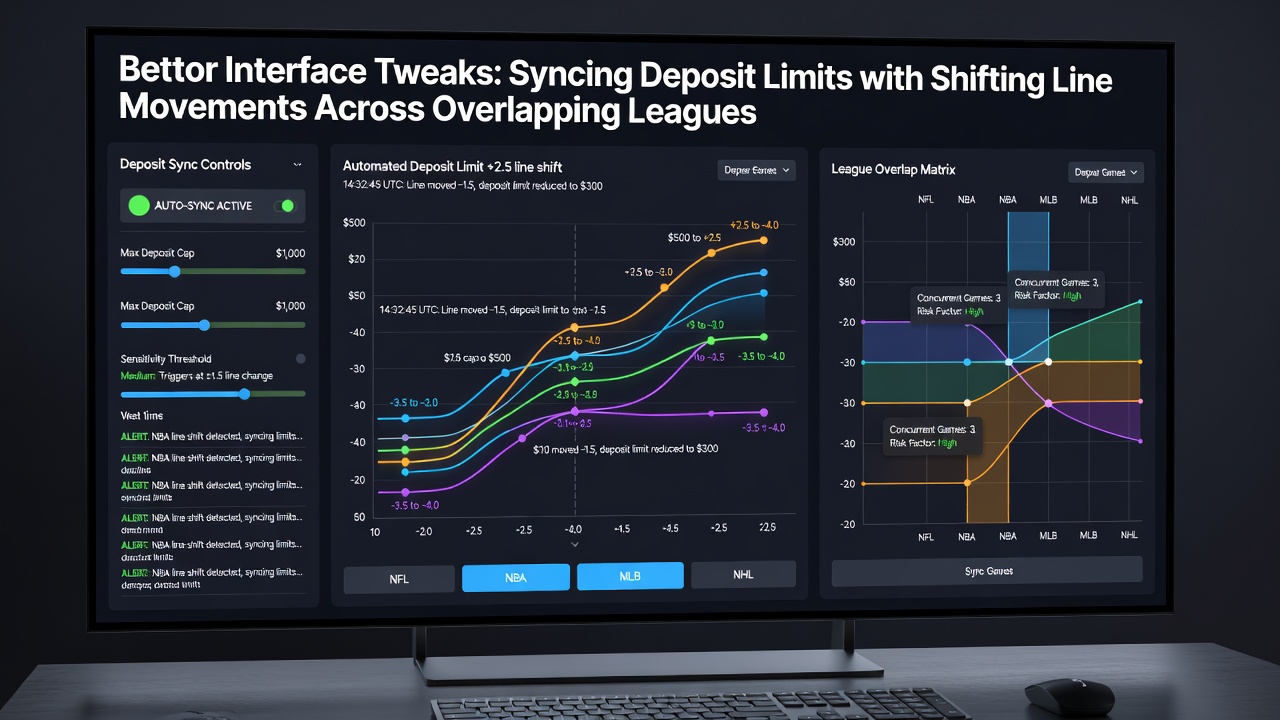
Backend processes evaluate overlapping calendars by cross-referencing start times and market availability, then adjust the deposit interface elements such as slider ranges or input fields to reflect updated limits, ensuring that bettors encounter constraints that evolve with the collective movement of lines rather than static daily allowances.
Those who analyze platform data note that such tweaks appear more frequently in applications serving regions with heavy overlap between major leagues, where the volume of simultaneous events demands responsive controls to align with regulatory expectations around responsible fund management.
Data Integration and User Pathways
Platforms aggregate line movement statistics from multiple sources to inform deposit sync functions, incorporating metrics like point spread variance and moneyline adjustments across concurrent schedules, and this aggregated view feeds into the interface so that a single deposit decision accounts for broader market conditions.
Users navigate through updated pathways where deposit options display alongside live indicators of league activity, allowing selections that factor in the current state of overlapping events without requiring separate monitoring of each sport's calendar.
Regulatory Alignment in Practice
Authorities in various jurisdictions require documentation of how interfaces handle dynamic limits during peak overlap seasons, and platforms respond with audit trails that log each synchronization event tied to specific line shifts, providing transparency into the decision trees that govern deposit adjustments.
Evidence from industry reports compiled by the Canadian Centre on Substance Use and Addiction shows measurable correlations between these interface features and stabilized deposit patterns during months when professional leagues share significant calendar space, highlighting the role of automated coordination in multi-event environments.
Conclusion
Interface adjustments that link deposit limits to shifting lines across overlapping league calendars represent a functional evolution in betting applications, driven by the need to manage concurrent market activities during periods like November 2026, and continued refinement of these systems follows directly from data patterns observed in professional sports schedules.